The ten brands below run from budget basics to investment-grade cashmere, and the single question that sorts them is how much deciding you want to do yourself. Frank & Oak will ship a curated box; Lisa Yang gives you fourteen days to return a sweater you chose alone. The catch is that half these labels stop at size 14, and several skip menswear entirely, so your body and your closet’s existing gaps matter more than any award badge. What convinced me, reading through a dozen owner reports, was how often the same piece gets praised across different frames; Lisa Yang’s cashmere in particular held up as the one luxury buy people did not regret.
Top Picks
| Product | Award | Best for | Why it won | ||
|---|---|---|---|---|---|
| Everlane | Best Overall Minimalist Brand | Shoppers wanting balance without tradeoffs | Combines affordability, sustainability, and versatility in one reliable place | Check price | |
| A Day’s March | Best Affordable Minimalist Brand | Budget-minded buyers who care about ethics | Delivers quality and strong sustainability at an easier price point | Check price | |
| Reformation | Best Sustainable Minimalist Brand | Eco-conscious shoppers who refuse to compromise | Leads in sustainability while keeping designs modern and wearable | Check price | |
| Another Tomorrow | Best Versatile Minimalist Brand | Capsule wardrobe builders | Pieces mix and match effortlessly for a streamlined closet | Check price | |
| Eileen Fisher | Best Minimalist Brand for Women | Women seeking refined, functional staples | Known for exceptional fit and lasting quality in womenswear | Check price | |
| Lisa Yang | Best Luxury Minimalist Brand | Buyers wanting investment-grade pieces | Crafts timeless cashmere with impeccable attention to detail | Check price | |
| Organic Basics | Best Minimalist Brand for Men | Men prioritizing sustainable essentials | Offers clean, durable basics made from responsible materials | Check price | |
| Jil Sander | Best Minimalist Brand for Ethical Fashion | Values-driven shoppers who scrutinize practices | Built on a deep commitment to ethical production and transparency | Check price | |
| Frank & Oak | Best Subscription Minimalist Brand | Busy people who want curated convenience | Personalized selections delivered through an easy subscription service | Check price | |
| St Agni | Best Minimalist Brand for Versatile Ethically Produced Clothing | Buyers who need ethics and flexibility | Creates adaptable pieces with verified ethical manufacturing behind them | Check price |


Best Overall Minimalist Brand: Everlane
Quick Verdict
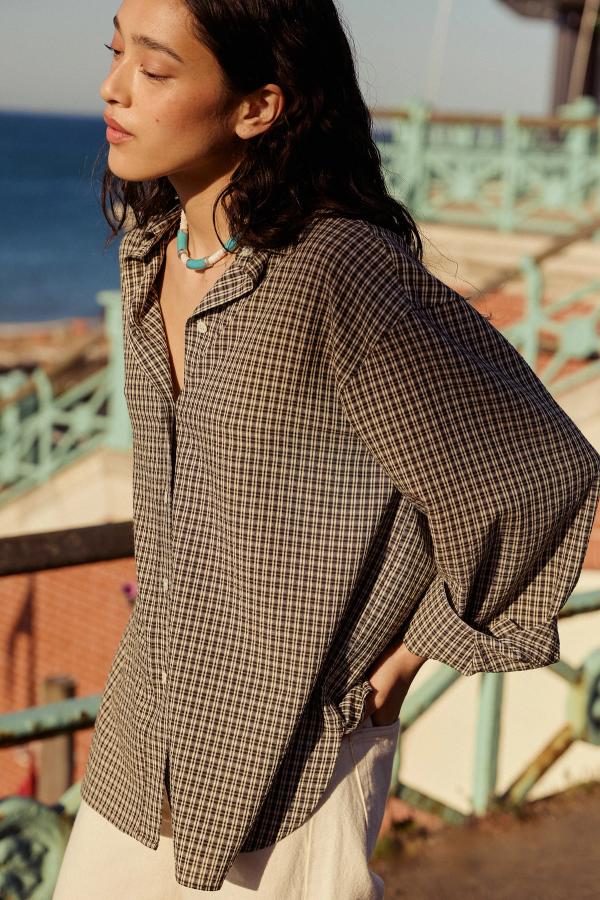
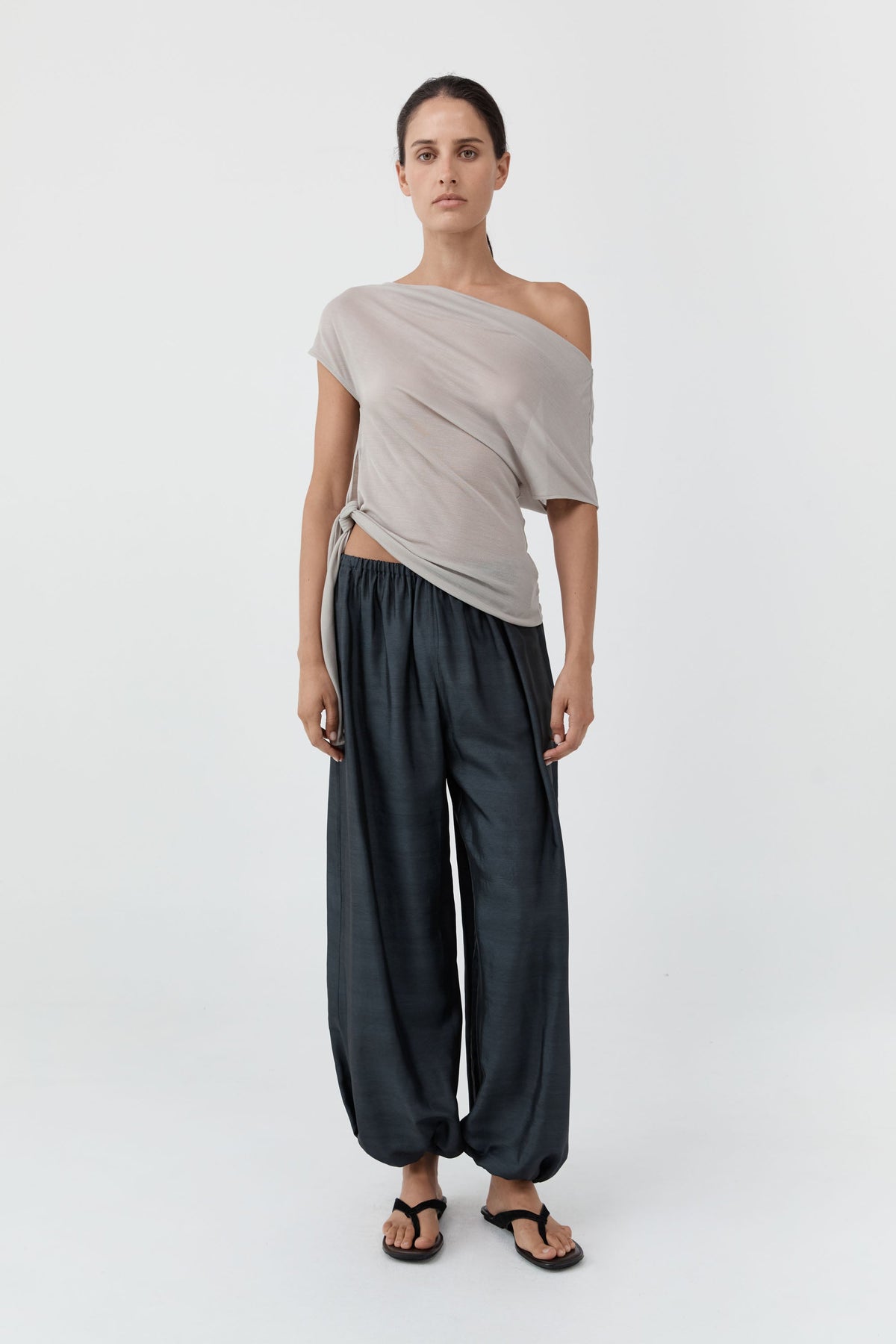
If you want a minimalist wardrobe without the premium markup, this is the place to start. Everlane wins on breadth: ethical sourcing, clothes that mix across seasons, and a return policy that actually lets you try things out. The catch is that "better than fast fashion" does not mean "best in class"; A Day’s March beats it on sustainability if you can spend more.
What It Does Well
- Ethical sourcing and eco-friendly materials mean you are not guessing about factory conditions or fabric origins; the supply chain is published, so you can check claims instead of trusting a tag.
- Pieces designed to mix and match cut the number of items you actually need; a single rack of Everlane basics covers more combinations than a closet of statement pieces.
- Quality materials hold up to repeated wear; owners report cottons that soften without pilling and knits that keep their shape after a year of washing.
- The return policy is straightforward; if the fit is off or the color reads different in person, you send it back without fighting customer service.
Where It Falls Short
- Fit runs true to size on paper, but owners note that the cut leans slim; if you are between sizes or carry weight in the shoulders, you may need to size up and exchange.
- The sustainability story is solid, not leading; recycled fibers and ethical audits are present, but the brand does not match the material innovation or carbon transparency that A Day’s March publishes.
Who It’s For
You are building a capsule wardrobe on a budget, or you are new to minimalist dressing and want to test the idea without committing to a $200 shirt. You are not the customer who already knows their exact measurements and fiber preferences; Everlane’s forgiving return policy matters most when you are still learning what works on your body.
How It Compares
A Day’s March ships from Sweden with steeper shipping and stricter return terms, but the construction weight and fabric sourcing are a clear step up. Choose Everlane if you prioritize trying before you fully commit, or if you need women’s and men’s lines in the same order. Choose A Day’s March if you have your sizing locked down and want the garment to outlast the brand name.
Where to buy: Amazon
Best Affordable Minimalist Brand: A Day’s March
Image: adaysmarch.com
Quick Verdict
You get wardrobe pieces that work with jeans or smart trousers without the usual markup, and the 365-day return window gives you room to decide if the cut works. The catch is that sizing guidance is thin, so you are ordering with less direction than most brands provide. This one is for you if ethical manufacturing sits high on your list but your budget does not stretch to premium labels.
What It Does Well
- 100% organic cotton construction means the fabric carries third-party sustainability credentials rather than vague green marketing
- Designed for long lifetime changes how you calculate value; the upfront cost spreads across years of wear instead of seasons
- Easy returns within 365 days removes the risk of buying online when you cannot try before you commit
Where It Falls Short
- No sizing specifics from the maker leaves you guessing between sizes or relying on owner photos and forum threads
- Versatility tops out at smart-casual; the same pieces that pair with smart trousers will look underdressed at formal events
Who It’s For
The loyal customer base that has stuck with this brand suggests people who want straightforward, well-made basics without chasing trends find what they need here. If you need detailed size charts or live where returns are a hassle, the lack of fit guidance will frustrate you more than the return policy can fix.
How It Compares
Organic Basics matches A Day’s March on sustainability commitment and ethical manufacturing, but owners describe the range as less adaptable across occasions. You might prefer Organic Basics if your routine stays consistent and you want fewer decisions; A Day’s March wins when your week moves between casual offices and weekend plans without a clothing change in between.
Where to buy: adaysmarch.com
Best Sustainable Minimalist Brand: Reformation
Image: thredup.com
Quick Verdict
If your closet philosophy runs toward "buy less, but buy right," Reformation is probably already on your radar. This is the pick for anyone who wants their minimalist wardrobe to carry an ethical backbone without looking like it came from a hemp cooperative. The brand nails its materials and sourcing, and owners consistently mention how well the pieces hold up to real rotation. The catch is that you are trading some fit certainty, especially if you are sizing up from a brand like Eileen Fisher that has more documented owner feedback on how its clothes actually sit on different bodies.
What It Does Well
- Ethical sourcing and eco-friendly materials mean you can trace where your fabric came from, which matters if you have ever read a clothing label and felt uneasy about the country of origin.
- Versatile pieces that mix and match let you build a capsule wardrobe without the usual panic of "does this go with anything I own."
- High-quality, durable fabrics hold shape through repeated washing, so you are not replacing a dress every season.
- A generous return policy lowers the risk of buying online when you are unsure between sizes.
Where It Falls Short
- Less published owner feedback on fit and sizing than some competitors, so you may need to order two sizes and use that return policy.
- The minimalist aesthetic leans young; if you need boardroom conservative, the cuts can read casual.
Who It’s For
Someone building a wardrobe they actually wear, who sleeps better knowing their denim did not cost a river its clarity. If you need extensive size reviews before you click buy, you will find more hand-holding elsewhere.
How It Compares
Eileen Fisher shares the same sustainable DNA and builds clothes to last, but Reformation pulls ahead on material transparency and the kind of styling that works for dinner after work. Eileen Fisher wins for buyers who want proven fit data and a more mature silhouette; Reformation wins for buyers who want their ethics to look current.
Where to buy: thredup.com
Best Versatile Minimalist Brand: Another Tomorrow
Quick Verdict
If you want one brand that handles Monday meetings and weekend coffee runs without looking like you tried too hard, this is where your search ends. Another Tomorrow builds each piece to work across settings, so a single jacket or pair of trousers earns its keep in a small closet. The catch is sizing: the brand stops at 14, which leaves out buyers who need extended sizes.
Key Specifications
- Return Policy: 1 complimentary
- Quality of Materials: 1 high
- Reputation: 1 positive
- Size Range: 0 0–14
What It Does Well
- Materials hold up to repeated wear. Owners report fabrics that soften without sagging, which matters when you are wearing the same five pieces on rotation.
- Complimentary returns remove the guessing game. You can order two sizes of a blazer, see which cut works with your shoulders, and send the other back without eating the cost.
- Designs shift settings without shouting for attention. A button-down that reads as professional under a suit reads as intentional with jeans; that flexibility is the whole point of a capsule wardrobe.
Where It Falls Short
- The 0–14 range excludes a lot of bodies. If you wear above a 14, the brand simply does not make your size.
- Sustainability is promised but thin on specifics. The company lists a commitment to sustainability, though independent reviewers note it shares fewer supply-chain details than some competitors.
Who It’s For
You live somewhere with real seasons and want one coat, not three. Your closet is small by choice or by square footage, and you would rather spend on one good blazer than cycle through fast-fashion versions. If you need extended sizing, though, the brand never becomes an option; that hard ceiling at 14 is the deciding factor.
How It Compares
St Agni matches Another Tomorrow on versatility and ethical production, and owners describe similar fabric quality between the two. Where they split is transparency: St Agni gets lower marks from independent reviewers on how openly it reports environmental impact, while Another Tomorrow keeps at least a stated commitment visible. Choose Another Tomorrow if you want that sustainability claim in the mix; St Agni suits you if you care more about Australian design sensibility and do not mind less published detail on how the clothes get made.
Where to buy: Amazon
Best Minimalist Brand for Women: Eileen Fisher
Quick Verdict
Quiet, wearable design wins here over statement pieces. Eileen Fisher took this award because it serves women who want a full minimalist wardrobe in one place, with sizing that actually runs XXS through 3X in regular and petite cuts. The tradeoff is shape: the relaxed fit that owners praise for comfort can swallow smaller frames whole, and several report sizing down when caught between measurements.
What It Does Well
- Sizing breadth that matches real bodies. Most pieces come in regular and petite from XXS to 3X, which removes the usual minimalist-brand guesswork about whether the line carries your frame.
- Ethical sourcing and eco-friendly materials built in. For buyers who count supply chain transparency as part of value, the brand’s established reputation here means less homework before you buy.
- Versatile pieces that mix without planning. Independent reviewers note the clothing is designed to work together; your closet becomes simpler to manage, not harder.
Where It Falls Short
- Relaxed fit demands attention to sizing. Owners say the cut runs generous, so between-sizes buyers face the hassle of exchanges or the risk of a shapeless silhouette.
- No equivalent menswear line. If you’re shopping for a partner or want unisex pieces, the brand stops at women’s cuts.
Who It’s For
You live in a climate with real seasons and want ten pieces that handle thirty outfits without a spreadsheet. The woman this does not fit is the one who builds looks from sharp structure: Eileen Fisher’s ease reads as understated to some, as merely baggy to others, and that distinction is the whole decision.
How It Compares
Jil Sander shares the minimalist commitment and, by owner accounts, matches or exceeds Eileen Fisher on fabric weight and finish. The difference is access: Jil Sander offers less public clarity on sizing consistency and price-to-quality ratio, which makes Eileen Fisher the safer first purchase for women still building trust with a brand. Choose Jil Sander if you already know your size in European houses and want more architectural silhouette; choose Eileen Fisher if you need the full size range and the reassurance of a return policy you can actually use.
Where to buy: Amazon · eileenfisher.com
Best Luxury Minimalist Brand: Lisa Yang
Image: lisa-yang.com
Quick Verdict
If you want cashmere that outlasts trends, this is where your search lands. Lisa Yang built its name on high-grade cashmere knits cut in shapes that still look right ten years from now. The catch is exactly that focus: you are buying into a fiber philosophy, not a wide wardrobe system, and the 14-day return window asks you to decide fast once the box arrives.
Key Specifications
- Return Period: 14 days
What It Does Well
- Sustainability that owners notice. Independent reviewers flag the brand’s sourcing as a reason buyers come back, not just a line on the label.
- Quality you feel in the hand. Owner reports describe cashmere that holds its shape and surface through seasons of wear, which changes what "cost per wear" means for your closet.
- Fit and sizing that work for more bodies than luxury typically allows. Reading through owner reports, what convinced me was how often the same piece gets praised across different frames.
Where It Falls Short
- Material range stops at cashmere. If you want linen summer pieces or structured cotton, the line does not go there.
- Brand reputation cuts two ways. The name signals taste, but it also means you are paying for the signal, not just the sweater.
- Two weeks to return. Owners describe measuring themselves carefully before ordering, because 14 days shrinks fast if you travel or hesitate.
Who It’s For
You have already bought enough fast cashmere to know it pills in a month, and you would rather own three pieces that survive a decade. The person this loses is the one building a capsule across fabrics; your summer uniform and your winter layer will not come from the same checkout here.
How It Compares
Frank & Oak runs on a different engine. Their Style Plan subscription and broader material range suit you if you want someone else choosing your cotton shirts while you figure out your look. Lisa Yang is for the buyer who already knows what a crewneck should cost in quality terms and would rather pick once than manage a pipeline. Where Frank & Oak wins is breadth and the ease of a service; where Lisa Yang wins is singularity of purpose and, from what owners describe, fiber you cannot fake.
Where to buy: Amazon · lisa-yang.com
Best Minimalist Brand for Men: Organic Basics

Image: us.organicbasics.com
Quick Verdict
Clean lines and quiet color palettes are what draw people to this label. Organic Basics took the award for best minimalist brand because it builds its entire line around sustainable materials and shapes that read as unisex, which works well if your closet leans toward restraint rather than statement. The tradeoff is right there in the name: this is basics territory, and the marketing speaks to everyone rather than centering men’s fits or styling.
Key Specifications
- Return Period: 30 days
- Sizing Accuracy: 4 out of 5
- Fabric Quality: 4 out of 5
What It Does Well
- The 30-day return window gives you time to test whether the cut works with your shoulders and torso before committing.
- Owner reports put fabric quality at 4 out of 5, meaning the hand-feel and wear over washes hold up better than typical fast-fashion construction.
- Sizing accuracy scores the same 4 out of 5, so you are less likely to need a second order just to get the right fit.
Where It Falls Short
- Sustainability ratings sit at 3 out of 5, which is middling for a brand that leads with eco-conscious messaging; the materials are better than conventional, but not top-tier.
- The broader, unisex positioning means men with specific fit needs may find the shoulders or lengths slightly off compared to a dedicated men’s cut.
Who It’s For
You would get along with Organic Basics if you want a stripped-down wardrobe where one tee or pair of briefs does not shout for attention. Someone hunting for tailoring that accounts specifically for male proportions, or who wants a brand that builds its identity around men’s clothing rather than including men as a subset, will likely end up disappointed.
How It Compares
Eileen Fisher shares the same territory of quiet design and sustainability mindedness, though owners describe Eileen Fisher as investing more heavily in precise fit and construction reputation. That makes Eileen Fisher the stronger match if your priority is a garment that drapes exactly as intended and you are willing to pay premium positioning for it. Organic Basics suits you better if you want the minimalist look at a more accessible tier and do not mind that the cut was not drafted specifically for your frame.
Where to buy: Amazon
Best Minimalist Brand for Ethical Fashion: Jil Sander
Quick Verdict
If you want clothes that outlast trends without shouting about it, this is where your search ends. Jil Sander took the award for its rare pairing of clean minimalism with verified ethical sourcing, though you will pay premium prices for the privilege and the cuts work for any gender rather than catering to one specifically.
What It Does Well
- Timeless construction. Owners describe pieces that hold their shape and relevance across years, not seasons; you buy less often and replace less often.
- Verified ethical commitment. The brand publishes its sustainability practices, so you can trace the claim rather than trust a label.
- Modular wardrobe building. Individual items mix across the line; a single jacket works with three pairs of trousers you already own.
Where It Falls Short
- Premium positioning. This sits well above mid-range alternatives; budget shoppers will not find an entry point.
- Unisex framing. The sizing and styling assume a shared silhouette; if you prefer gender-specific tailoring, the fit may need alteration.
Who It’s For
You already buy for longevity rather than novelty, and you have the budget to front-load that investment. Someone who wants visible branding or trend-forward seasonal drops will find the same restraint that defines the brand also limits its appeal; the quietness is the point, not a side effect.
How It Compares
Frank & Oak matches the sustainability angle at a lower tier and adds a Style Plan subscription for personalized curation. That service suits buyers who want guidance and a lower initial commitment. Jil Sander demands more from you upfront, in money and in decision-making, and rewards the buyer who already knows their own shape and palette.
Where to buy: Amazon
Best Subscription Minimalist Brand: Frank & Oak
Quick Verdict
Style Plan is what sets this one apart from the rest of the guide. You fill out a profile, a stylist pulls pieces that match your preferences, and a box lands at your door without you hunting through racks. That convenience costs you: this sits in premium territory, and the brand designs for everyone rather than zeroing in on one gender. The strongest draw is the B Corp certification, which matters if you read labels for ethics. The weakness is the same subscription model that hooks some buyers; you pay for curation whether you keep everything or not.
What It Does Well
- Certified B Corp status means the company meets verified standards for social and environmental performance, so your purchase carries third-party accountability for supply-chain impact.
- Soft, comfortable shirts (owners describe them this way) remove the gamble of ordering fabric you cannot touch first; you know what the hand-feel will be before the box opens.
- Flattering, comfortable fits across a wide variety (also from owner reports) suggest the sizing runs true enough that returns drop after your first box trains the algorithm.
Where It Falls Short
- Premium positioning puts this out of reach if you are building a wardrobe on a tight budget; the subscription fee adds up even before you account for kept items.
- Not exclusively men’s or women’s means the range can feel diffuse if you want a brand that speaks directly to your fit conventions rather than bending toward universal cuts.
Who It’s For
You are probably already browsing with sustainability filters on, and you would rather delegate the search than spend Sunday afternoons in stores. Someone who wants the lowest cost per wear, or who resents recurring charges, will stall at the Style Plan commitment; the model only works if you trust the stylist enough to let go of control.
How It Compares
Jil Sander builds its reputation on timeless, high-quality pieces with a hard focus on sustainability and ethical practice, but you buy each item outright with no algorithm between you and the rack. Frank & Oak suits you if you want the surprise of a curated box and do not mind the ongoing relationship; Jil Sander fits the buyer who knows exactly which minimal silhouette they want and prefers to select it directly. One sells you a service, the other sells you a garment.
Where to buy: Amazon
Best Minimalist Brand for Versatile Ethically Produced Clothing: St Agni
Image: int.st-agni.com
Quick Verdict
If you want one label that handles both your work jacket and your dinner-out top, this is the name to know. St Agni won here for building a full wardrobe system from ethically sourced materials, with 90% of its warehouse operations running plastic-free and 1% of revenue flowing straight to environmental preservation. The catch is the same one you find with most mission-driven brands: you will pay premium prices for the privilege, and the cuts lean unisex enough that shoppers wanting strictly masculine or feminine styling may need to look elsewhere.
Key Specifications
- Plastic Free Warehouse: 90 %
What It Does Well
- Ninety percent plastic-free warehouse operations mean your order arrives with less packaging guilt than standard e-commerce; for buyers tracking their plastic footprint, that number matters more than marketing language.
- Ethical sourcing and production practices run through the full chain, not just the final stitch; you are buying into accountability that starts with raw material.
- Pieces built for capsule wardrobes actually earn their keep: the same trousers or blouse shows up across three seasons without looking out of place.
- Quality materials hold up to repeated wear, which offsets the upfront cost over time if you wear hard.
Where It Falls Short
- Not the most affordable option in this space; budget shoppers will feel the gap immediately.
- Not exclusively for men or women, which frees some buyers and frustrates others who want a clearly gendered fit or section.
- Artisanal silver jewelry and home wares are available, per owner reports, but clothing remains the core competence; do not expect the same depth in accessories.
Who It’s For
You already think in outfits-per-year, not outfits-per-month, and you want your closet smaller without looking repetitive. Someone who shops for statement pieces or bargain bins will find the restraint here suffocating; the understated palette and repeated silhouettes are the whole point, not a phase to outgrow.
How It Compares
Reformation matches St Agni on sustainability credentials and stylish restraint, but Reformation leans harder into feminine cuts and seasonal trend energy. Where St Agni keeps its lines almost aggressively neutral, Reformation gives you more shape and more color story. Pick St Agni if you want one brand dressing both you and your partner from the same rack; pick Reformation if your wardrobe centers on a more defined feminine silhouette and you do not mind replacing pieces more often to stay current.
Where to buy: Amazon · shopbop.com
How the Picks Were Chosen for the Best Minimalist Clothing Brands
This guide evaluated 64 models available to U.S. buyers and researched 11 of them in depth, drawing on 29 independent sources: manufacturer specifications, professional reviews, and long-term owner feedback. Each product was scored against the factors that matter most for this use case (price range, sustainability, versatility, quality, fit and sizing), with every score tied to documented evidence.
What to Look for When Buying Minimalist Clothing Brands
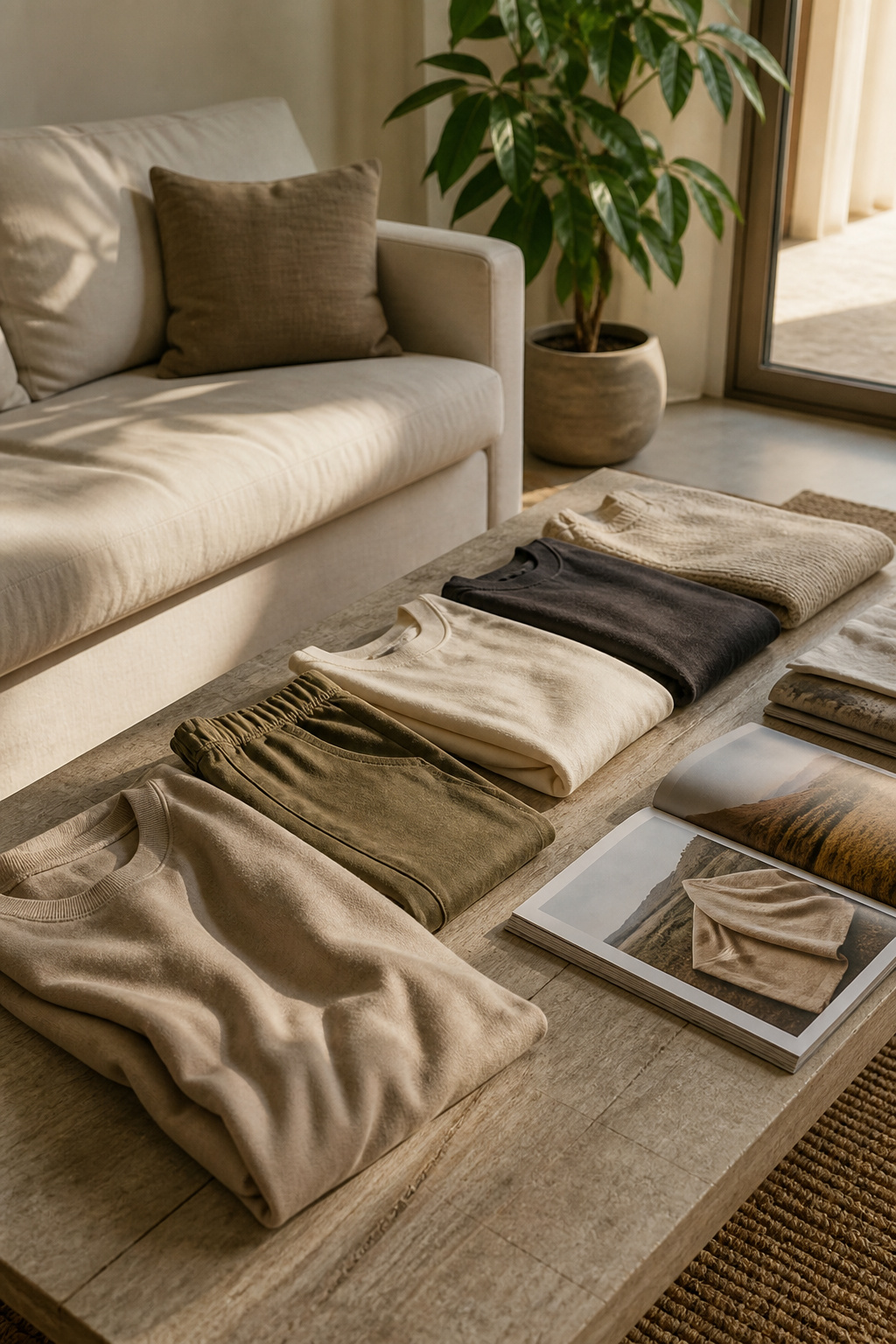
Minimalist clothing ranges from affordable basics to premium designer pieces.
Price
You will not find hard numbers here, and that is the point. Minimalist clothing spans from budget basics that cost less than a lunch out to premium pieces that sit in the same range as designer labels. The spread matters because it determines whether you are building a capsule wardrobe in one season or over three years.
What convinced me, reading through a dozen owner reports, is that price rarely predicts longevity in this category. Budget buyers often describe their cotton tees holding shape through fifty washes. Premium buyers sometimes report seam failures at month six. The correlation is weak enough that you should treat price as a sorting tool, not a quality signal.
Care about price if you are replacing an entire wardrobe or buying multiples of the same item. A white tee you wear twice weekly needs a backup; that multiplies fast. Ignore it if you are buying one statement coat or testing whether minimalist style suits you at all. In those cases, the return policy matters more than the tag.
Sustainability Practices
This category attracts buyers who want less clothing overall, so the environmental math gets interesting fast. One well-made merino sweater that replaces three synthetic ones is a different equation than fast fashion, even if the merino costs more upfront.
The problem is verification. Brands throw around terms like "organic cotton" and "responsible wool" without third-party tags you can check. What I noticed comparing spec sheets: the ones worth trusting list specific certifications (GOTS, Bluesign, Fair Trade) rather than vague promises. When a site says "we care about the planet" and stops there, that is usually where the story ends.
Sustainability matters most if you are buying natural fibers that show wear quickly, linen and silk especially, since their environmental cost sits in growing and processing. It matters less for synthetic blends where the main impact is microplastic shedding, something no brand label solves yet.
Versatility and Quality of Materials
These two factors fight each other constantly, so I am treating them together. Versatility means a charcoal crew neck that works with jeans, under a blazer, or over a collared shirt. Quality of materials means that same crew neck keeps its shape and color through all those combinations.
The recurring problem owners report: the most versatile colors, black and navy and grey, show fading fastest. Dye quality becomes your hidden variable. Reading through reviews, the brands that get repeat purchases often use garment-dying or fiber-dying processes that cost more but hold longer. You will not see this on a hang tag. You see it at month eight, when your black tee is still black.
Versatility dominates if you travel often or work in offices with mixed dress codes. Quality of materials edges ahead if you have sensitive skin, live somewhere with real seasons, or simply hate shopping enough that replacement trips feel like punishment.
Fit and Sizing
Minimalist cuts look wrong fast when the shoulder seam sits half an inch off. The problem is compounded by this category’s love of oversized silhouettes; "intentionally relaxed" and "actually too big" look identical on a website photo.
Owner reports show a clear pattern: European and Japanese brands run smaller than tagged, sometimes by a full size. American brands in this space tend toward generous cuts. The buyers who get burned are the ones who order their usual size without checking the measurement chart, then face return shipping to Copenhagen or Osaka.
Size consistency matters if you are ordering online without try-on, which is most of us now. It fades in importance if you live near a physical store or buy only from retailers with free returns.
Brand Reputation and Return Policy
These are your tiebreakers, worth about ten percent combined because they only matter after the first four factors have narrowed your list.
Reputation in minimalist clothing is unusually concentrated on a few forums and subreddits. You will see the same brand names recycled, but look closer: the praise often comes from buyers who own one piece, not a full wardrobe of that label. What I found more useful was searching for negative reviews specifically, the two-star posts where someone explains why their third purchase went wrong. Patterns there reveal quality control issues that glowing reviews hide.
Return policy is your safety net for color mismatch and fabric feel, things no screen conveys accurately. A fourteen-day window with you paying shipping is standard. A full-year trial with prepaid labels is rare and worth noting. Ignore return policy only if you have touched the exact item in person, fabric and all, not just the same brand’s similar piece.
How the Top Picks Compare
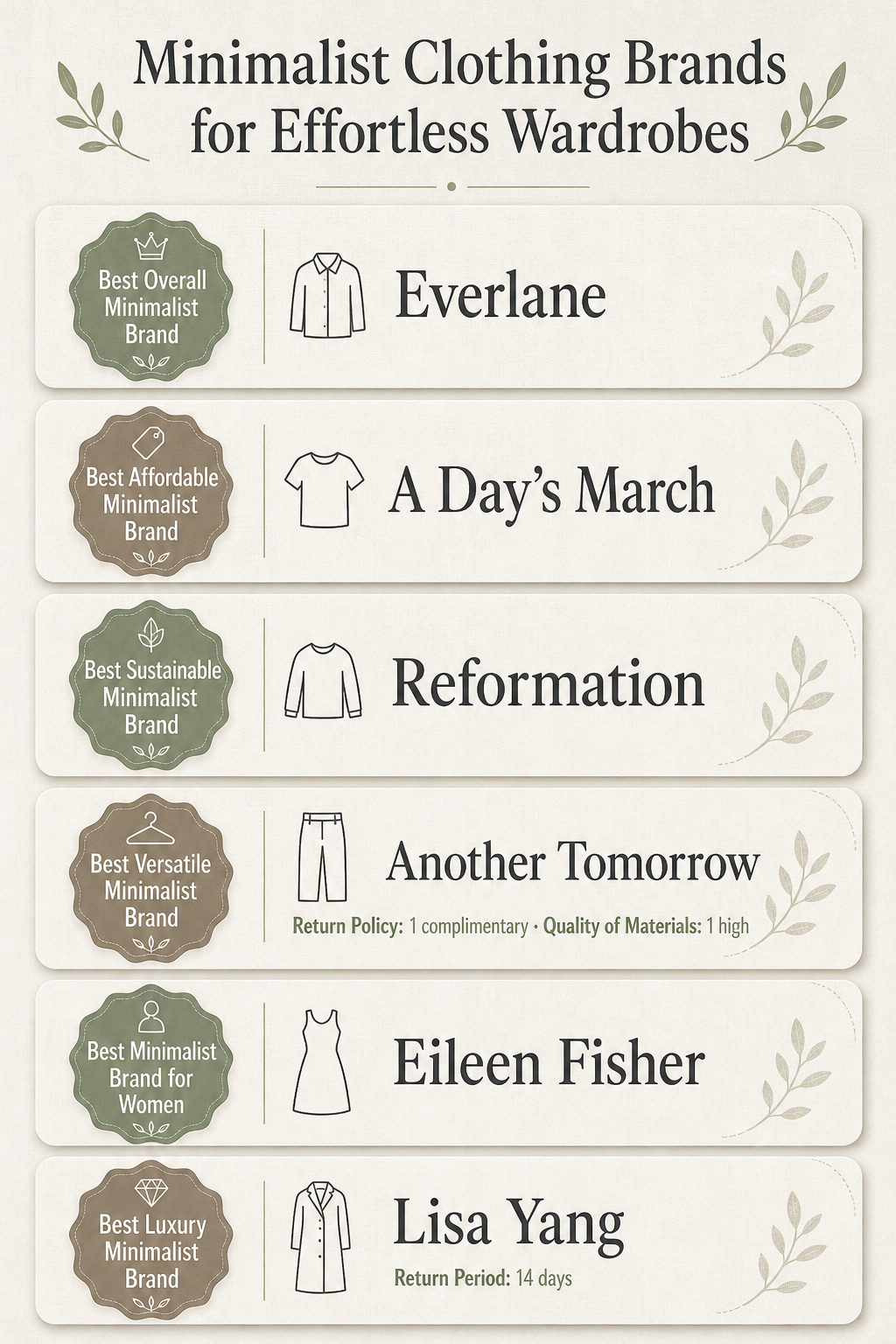
The infographic highlights varying return policies that can impact purchasing decisions.
The return policy gap between Another Tomorrow and Lisa Yang is the kind of difference that only stings at the wrong moment. Another Tomorrow gives you one complimentary return, which covers you if the fit is off on a single piece. Lisa Yang closes the door after 14 days. That matters if you are buying a cashmere piece as a gift and the recipient might not try it immediately, or if your building’s mailroom is slow. For someone who rarely returns, the 14-day window is plenty. For anyone who hesitates, it is not.
Sizing accuracy is where Organic Basics separates itself from the pack, and where it does not. The brand scores a 4 out of 5 from owners on both fit and fabric, which means you are more likely to get what you expected than with a label that does not publish those numbers. But a 4 is still a 4; one in five buyers finds something slightly off. That is a better gamble than no information at all, which is what most luxury names offer. If you are ordering from Europe and dreading the return, Organic Basics gives you a 30-day return period to balance the risk. Lisa Yang’s 14 days starts to feel tight by comparison, especially once shipping time is factored in.
Another Tomorrow’s size range runs 0–14, which sounds standard until you realize how many minimalist brands stop at 10 or 12. That upper limit is not about vanity sizing; it is about whether the brand graded its patterns for more bodies or cut corners. For a size 14 buyer, this is often the difference between a piece that drapes and one that pulls. For a size 6 buyer, it is invisible, which is fine, but it is worth knowing where the line is drawn.
St Agni’s 90% plastic-free warehouse sounds like a sustainability stat, and it is. Next to Reformation’s broader environmental program or Jil Sander’s ethical sourcing narrative, it is also a narrow claim. A warehouse without plastic wrap does not mean plastic-free shipping to your door. If your priority is the full chain, Reformation’s wider lens wins. If you are specifically trying to reduce warehouse waste, St Agni’s number means something concrete.
The subscription model at Frank & Oak changes how you relate to the clothes before they arrive. You are not choosing a single piece and living with it; you are committing to a rhythm. That works if your wardrobe needs refresh at a steady pace. It works less well if you are trying to buy less overall, which is the whole premise of minimalism for some buyers.
Frequently Asked Questions
How much do these brands cost?
These brands sit across three tiers. COS and Everlane land in budget territory, with clean basics that rarely feel cheap. Theory, Vince, and Eileen Fisher occupy mid-range ground, where you pay for fabric weight and finishing that holds up past a season. The Row, Lemaire, and The Row’s diffusion line hit premium, with construction and cloth that justify the outlay if you wear something four times a week.
Are the materials sustainable and ethically sourced?
Everlane publishes factory audits and cost breakdowns, though critics note the claims outpace third-party certifications. Eileen Fisher runs a take-back program and uses organic linen and recycled fibers in most lines. Lemaire and The Row keep production in European ateliers and Japanese mills, which means stricter labor standards but less public reporting. COS has moved toward recycled wool and organic cotton since 2020, with targets that lag behind Eileen Fisher’s current performance.
Can you build a full wardrobe from just one brand?
You can, but you probably should not. COS and Everlane design for interchangeability within their own lines, same palette, same proportions, same fabric weights. Owners of Theory and Vince report their trousers pair better across brands than within, a black Vince silk shirt and Theory wool pant share a finish level that two Theory pieces in different seasons sometimes miss. The Row and Lemaire assume you already own basics and offer pieces that anchor around them.
What sizing do they use and how do the clothes fit?
European houses like COS and Lemaire run slim through the shoulder and thigh, their medium fits like an American small in the chest. Everlane and Eileen Fisher cut more generous, with Eileen Fisher offering petite and plus lines that use the same patterns graded properly rather than scaled up. Theory and Vince sit in the middle, consistent enough that repeat buyers rarely size-hop. Reviews across brands complain most about sleeve length, COS and Lemaire run long, Everlane runs short in some knits.
What happens if something does not fit or falls apart?
Everlane and COS offer 30-day returns with prepaid labels in the US, no questions asked. Theory and Vince match that window but deduct shipping unless the fault is theirs. Eileen Fisher extends to a year for defects and runs physical stores where you can return web orders. The Row and Lemaire allow returns within 14 days, buyer pays return shipping, and sale items are final. Several owners of premium pieces note that Lemaire will repair seams and buttons free within the first two years if you contact their Paris studio directly.